
















Dubai now gives homes their own digital identity. The Mohammed Bin Rashid Housing Establishment (MBRHE) has launched the Smart Housing Passport, a single digital record covering a residential property from construction through handover, maintenance, renovation and resale.
MBRHE introduced the passport during its Innovation Month and describes it as the first initiative of its kind worldwide. The Establishment says it is the first government entity in the UAE to issue a unified digital passport for homes. The UAE Ministry of Economy and Tourism has granted intellectual property rights for the concept.
For buyers and investors, the distinction matters. A title deed tells you who owns a property. The Smart Housing Passport tells you what the property is made of, how its systems run and how its owners have cared for it.
What the Smart Housing Passport contains
The passport gathers documents scattered across developers, contractors and owners into one digital file:
- Architectural plans and engineering drawings
- Construction material specifications
- Certificates and inspection records
- Equipment and manufacturer warranties
- Maintenance history
Cloud technology keeps the record current. Homeowners open their documents at any time without requesting copies from MBRHE.
Where the passport operates today
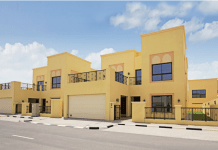
MBRHE has started issuing passports in two government housing projects:
- Al Awir
- Wadi Al Amardi
Homeowners receive access during allocation and handover, so the record follows the home from the day they take possession.
Dubai has not announced a rollout to private developments or existing stock. The scenarios below show how the model could work if authorities extend its scope.
How the passport could follow a home from off plan to resale
1. Off plan purchase
At booking, the passport would hold approved layouts, specifications and material schedules. Developers would update the record as construction advances. At completion, you could compare the delivered unit line by line against what you bought.
2. Completion and handover
Handover would deliver a full technical file: final drawings, electrical, plumbing and air conditioning layouts, material specifications, equipment warranties, certificates, inspection records and a maintenance schedule. One record replaces a folder of paperwork from several contractors.
3. Maintenance and artificial intelligence
MBRHE is developing AI services to forecast maintenance needs, alert owners to technical issues and recommend energy and water efficiency improvements. An owner would receive a notice when an air conditioning unit needs servicing or when equipment nears the end of its service life. Early intervention cuts repair bills and protects the condition of the asset.
4. Renovation
Architects and contractors would review the original structural, electrical and plumbing drawings before starting work. After an approved renovation, permits, revised drawings, contractor details and new warranties would join the record.
If an owner converts a one bedroom apartment into a two bedroom layout, the passport would show the original plan, the approval and the revised floor plan. Future buyers could separate authorised works from undocumented alterations.
5. Resale
With appropriate access permissions, a prospective buyer could review specifications, renovation history, maintenance logs and remaining warranties before signing. Homes with clean records and documented upkeep would attract stronger interest. Condition would sit alongside location, size, views and amenities as a driver of valuation.
Why Dubai needs a digital property record
Dubai Municipality figures reported by Forbes Middle East put the number of buildings under construction in 2025 at 23,270, covering approximately 40 million square metres. Every one of those buildings needs its technical history kept and passed on to each new owner.
Older communities show the cost of missing records. Many Dubai homes have changed hands several times and undergone multiple renovations. Owners in these communities often struggle to obtain original floor plans, specifications and renovation approvals. A unified digital record closes this gap.
In the luxury waterfront and branded apartment segment, the case grows stronger. Buyers paying premium prices expect proof of finish quality, building systems and service history. A documented record supports the price.
Ready property sales gain ground
The launch coincides with stronger activity in completed homes. Between 23 and 27 November 2026, Dubai recorded AED 13.35 billion in real estate transactions, including AED 7.75 billion in property sales.
According to a market report by Ovation based on Dubai Land Department records, ready property sales reached approximately AED 4.6 billion, up from AED 4.3 billion the previous week.
|
Market indicator |
Weekly change |
|---|---|
|
Ready property sales value |
+7.0% |
|
Ready property transactions |
+3.9% |
|
Off plan sales value |
+4.3% |
|
Off plan transactions |
−2.7% |
|
Overall property sales value |
+5.9% |
Ready properties accounted for approximately 59% of weekly sales value, while off plan continued to lead on transaction volume. The ready category includes land plots and entire buildings, which lift the total value. One strong week signals relative strength, not a confirmed long term recovery.
As completed inventory grows, verified data on construction quality, maintenance costs and past renovations will carry more weight in buying decisions.
What the passport means for Dubai property
Dubai has already digitised ownership registration and tenancy contracts. The Smart Housing Passport moves the focus to the physical asset and its condition over its full life.
A home’s value will rest increasingly on documented build quality, maintenance, energy performance and renovation history, alongside location and design. For developers, owners, investors and brokers, the passport sets a higher standard for transparency in Dubai’s residential market.