






Dubai has just ranked #5 in the world in the latest Brand Finance Global City Index. It now sits alongside London, New York, Paris, and Tokyo.
That alone is impressive. But the more interesting detail is this: Dubai ranks #1 globally for reputation.
For a city that, in its modern form, is barely a few decades old, that says a lot about how it has positioned itself and how the world now sees it.
A Ranking That Reflects Perception, Not Just Performance
The Brand Finance report isn’t just about economic output or skyline size. It’s based on how people actually “feel” about cities.
Over 15,000 respondents across 20 countries were asked about trust, appeal, and whether a city is a good place to invest, live, or work.
Dubai scores highly across all of that. But what stands out is the consistency. People don’t just know Dubai. They have a clear, confident opinion about it.
And in global markets, that clarity matters more than noise.
Built Fast, But Not Randomly
Older global cities grew over centuries. Their identities formed slowly, often unevenly.
Dubai didn’t have that timeline. It had to move faster. But it also had to be deliberate.
What you see today is not accidental growth. It’s the result of decisions made with a clear end goal in mind.
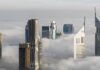
From infrastructure to tourism to business policy, everything has been designed to send a message: this is a place that works.
That message has landed.
Why Investors Pay Attention
If you ask investors why Dubai stands out, the answers tend to sound similar.
It feels stable. It feels predictable. It feels like a place where things move forward rather than stall.
That perception is powerful. In uncertain global conditions, people are not just chasing returns. They are looking for confidence.
Dubai offers that through its business environment, its connectivity, and the speed at which it adapts. Regulations change quickly. Opportunities appear quickly. And, importantly, they are acted on quickly.
Compared to cities where processes drag on for years, this makes a real difference.
A Brand Built by More Than Just Government
It’s easy to assume that Dubai’s image is purely government-driven. The reality is broader.
Yes, there is a clear top-down strategy. Messaging is aligned. Campaigns are coordinated. The city presents itself with consistency.
But the private sector plays just as big a role.
Every entrepreneur who relocates, every company that sets up, every investor who shares their experience becomes part of the story. They reinforce the idea that Dubai is a place where things happen.
Then there’s real estate and lifestyle.
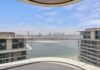
Scroll through social media for a few minutes and you’ll see it. Waterfront apartments, skyline views, branded residences, beach clubs. It’s not just property being marketed. It’s a way of living.
That visual layer matters. It turns abstract ideas like “opportunity” into something people can actually picture.
The Digital Effect
Dubai is one of the most visible cities online, and that’s not by chance.
Content creators, founders, and influencers are constantly showing daily life in the city. Safety, convenience, luxury, business activity. It’s all there, in real time.
This creates a kind of ongoing narrative. People don’t just hear about Dubai occasionally. They see it every day.
And over time, that repetition builds familiarity. Familiarity builds trust.
A Controlled, Consistent Message
Another factor that often goes unspoken is how stable Dubai’s public narrative is.
The city prioritizes clarity. Messaging is consistent. Sudden negative swings in perception are rare.
This doesn’t mirror Western media environments, which tend to be more fragmented and reactive. But from a branding perspective, it creates something valuable: predictability.
For investors especially, that consistency reduces perceived risk. There are fewer surprises in how the city presents itself to the world.
The Next Challenge
Getting into the global top five is one thing. Staying there is another.
Dubai’s next phase will likely be less about scale and more about depth.
It will need to keep building its economic base beyond the obvious sectors, continue attracting people who stay long term, and develop a cultural identity that goes beyond luxury.
At the same time, growth will need to be balanced with livability. That’s something every fast-growing city eventually faces.
The Bigger Picture
What Dubai has done is compress time.
In a few decades, it has built a level of global recognition and trust that took other cities generations.
That didn’t happen by chance. It came from clear positioning, fast execution, and a deep understanding of how perception shapes reality.
And that’s really the takeaway.
Dubai isn’t just competing with established global cities anymore. It’s showing that with the right strategy, a city doesn’t need centuries to become one of the strongest brands in the world.
It just needs to know exactly what it wants to be, and move fast enough to get there.