Each new geopolitical escalation triggers a familiar sequence in global markets.
Oil prices spike. Gold rallies. Equities retreat.
Headlines intensify. Risk appetite weakens.
And then, in many cases, markets gradually stabilize.
History shows that volatility driven by geopolitical events is usually sharp but temporary — unless it develops into a sustained disruption of energy supply, trade flows, or financial systems. Markets reprice uncertainty quickly. But long-term direction is shaped by structural forces: productivity, liquidity, demographic trends, capital formation, and institutional strength.
That distinction matters.
Short-term turbulence is not the same as systemic breakdown.
Energy Risk: Immediate, But Not Always Structural
Energy remains at the center of most geopolitical stress events. Strategic chokepoints and production hubs instantly influence pricing expectations. Even the perception of risk can move futures markets within minutes.
Yet today’s global energy system is more diversified and buffered than in past decades:
• Strategic reserves can cushion temporary disruptions
• Producer alliances maintain spare capacity
• Inventories offer short-term flexibility
• Supply chains have adapted after recent shocks
None of this eliminates risk. But it reduces the likelihood that every flare-up turns into a prolonged crisis.
Markets understand the difference between interruption and collapse. That is why initial price spikes often moderate once the scope of escalation becomes clearer.
A More Fragmented Global Landscape
The deeper story is not the event itself, but the environment in which it unfolds.
The global order is becoming more fragmented. Economic alliances are shifting. Strategic sectors such as energy, defense, semiconductors, and critical minerals are increasingly politicized. Governments are prioritizing resilience over efficiency.
In this setting, capital does not simply chase returns.
It looks for predictability.
Safe Haven Is No Longer Geography — It Is Infrastructure
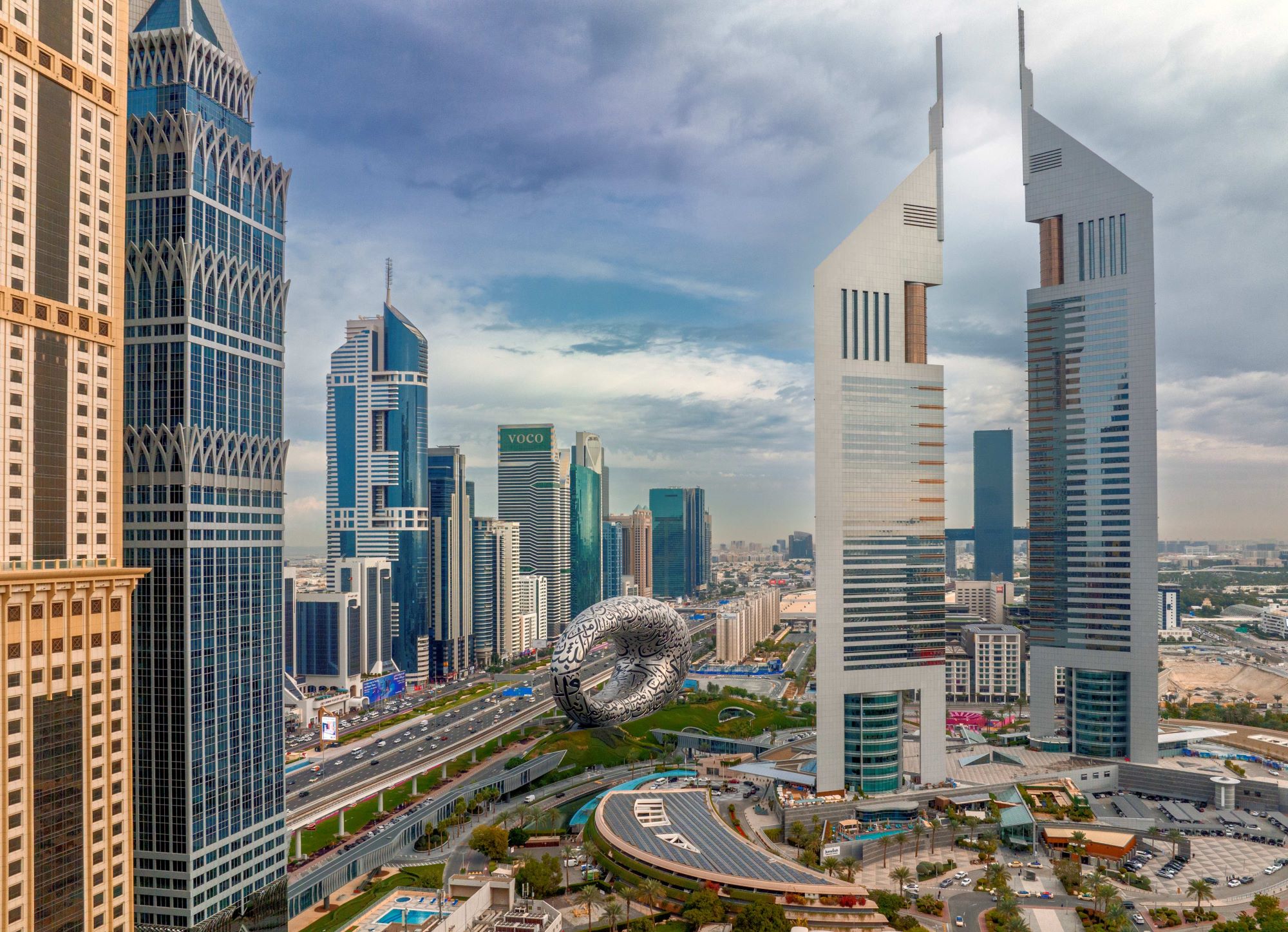
A modern safe haven is not defined by distance from conflict. It is defined by whether systems function under pressure.
Resilient jurisdictions tend to demonstrate:
• Institutional coordination
• Strong and well-capitalized banking systems
• Regulatory clarity
• Infrastructure redundancy
• Reliable logistics networks
• Decisive governance
When volatility rises, investors examine operational continuity. Are airports running? Are ports functioning? Is liquidity intact? Are policies predictable?
Markets reward systems that keep working.
Capital Does Not Disappear — It Reallocates
During periods of uncertainty, capital rarely vanishes. It shifts.
Historically, funds move toward:
• Gold and hard assets
• Defensive sectors
• Strategic industries
• Stable financial centers
Financial centers that maintain operational continuity during global stress tend to attract inflows rather than experience flight. When daily commercial activity continues uninterrupted, it sends a quiet but powerful signal to global investors.
Stability becomes visible.
Volatility Is Part of Market Function
Volatility is not a malfunction. It is how markets process risk.
Most calendar years include meaningful equity drawdowns. Geopolitical events often accelerate those corrections, but they rarely define the entire cycle.
Long-term wealth creation has consistently favored disciplined investors who remain positioned within resilient systems rather than reacting impulsively to headlines.
Unless geopolitical tensions evolve into sustained supply destruction or structural economic contraction, history suggests turbulence tends to compress over time.
The Strategic Takeaway
Here is the simple message:
Stability wins.
We are living in a world that feels divided and unpredictable. Conflicts happen. Headlines change by the hour. Markets react quickly.
But long-term success does not come from reacting to every headline.
It comes from being prepared.
In practical terms, that means:
• Don’t put all your money in one type of investment
• Invest in sectors that remain important no matter what happens
• Choose stable and well-managed financial environments
• Keep enough liquidity so you’re never forced to sell in panic
• Take risks carefully, not emotionally
Market swings will always make news.
But what truly protects wealth over time is strong institutions, reliable infrastructure, and systems that keep functioning even during stress.
In uncertain times, being steady is more powerful than being fast.
Stability is not boring.
It is smart.