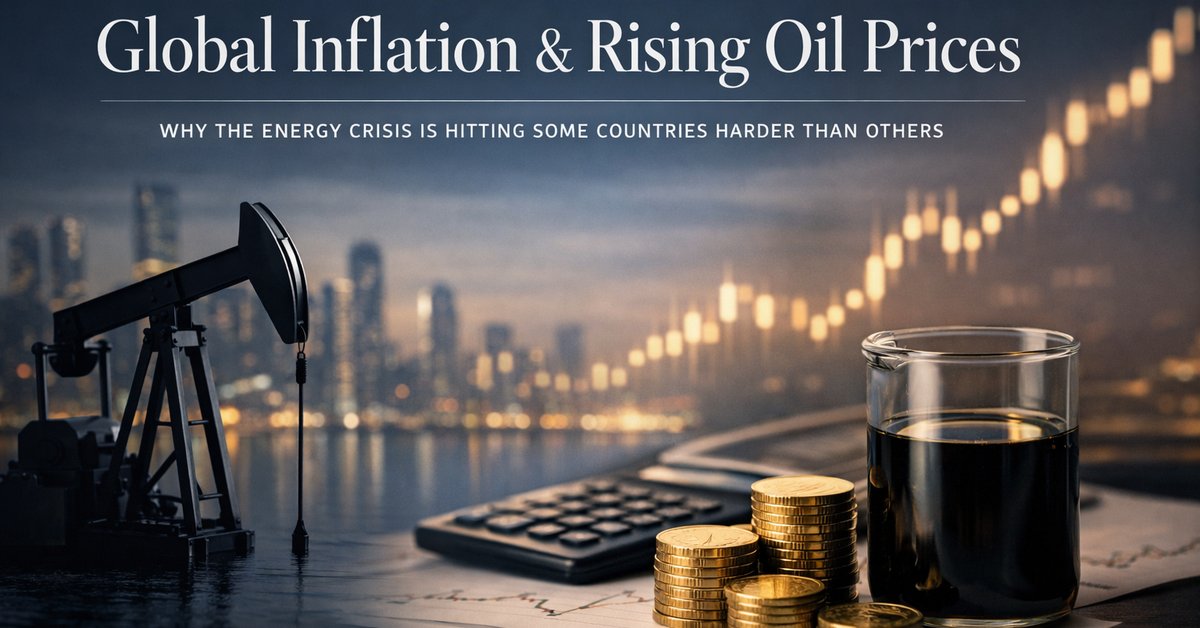
Global inflation rarely appears in isolation. In many cases it is closely tied to geopolitical tensions, supply disruptions, and energy markets. When instability affects oil and gas production or transportation routes, the consequences quickly spread across the global economy.
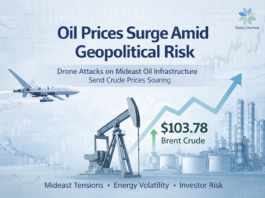
One of the most immediate effects is rising oil prices, which can trigger a chain reaction affecting transportation costs, manufacturing, food prices, and household expenses around the world.
Understanding how energy prices influence inflation worldwide helps explain why some countries suffer more than others when global markets become unstable.
How Energy Supply Disruptions Drive Global Inflation
Energy remains the backbone of modern economies. Oil and natural gas power transportation systems, factories, and heating infrastructure. When supply becomes uncertain or transport routes are disrupted, markets react quickly.
If oil supply becomes limited or unpredictable:
- Oil prices rise
- Shipping and logistics costs increase
- Manufacturing becomes more expensive
- Food production costs rise
- Consumer prices increase across many sectors
In simple terms, higher oil prices directly contribute to higher inflation worldwide.
Even the possibility of supply disruptions can push energy markets higher as traders anticipate shortages.
Transport and Production Costs Rise With Oil Prices
When energy prices increase, transportation and logistics are usually the first sectors to feel the impact.
Airlines, shipping companies, and trucking fleets rely heavily on fuel. When oil prices rise, companies often increase their service prices to maintain profitability.
Manufacturing faces similar challenges. Oil and gas are not only fuels but also essential components in industrial production. Plastics, fertilizers, chemicals, and many consumer goods rely on energy-intensive processes.
As production costs rise, businesses typically pass those costs on to consumers.
The result is broad inflation that spreads through the entire economy.
Countries With Large Populations Face Greater Inflation Pressure
Inflation does not affect every country equally. Nations with large populations and heavy energy import needs tend to feel the greatest pressure when global oil prices rise.
Countries that rely heavily on imported oil and gas must pay more when global energy markets tighten. This can create serious economic strain.
In colder regions, the challenge becomes even greater. Natural gas and heating oil are essential for winter survival in many countries.
Examples of vulnerable economies often include:
- Large European economies that depend on energy imports
- Countries in East and South Asia with massive populations
- Developing economies with limited domestic energy resources
For these nations, higher energy prices translate directly into higher costs for heating, electricity, transportation, and food.
Who Benefits From Rising Oil Prices
While higher oil prices create inflation challenges for many economies, energy-producing countries often benefit.
Oil-exporting nations can see significant increases in revenue when energy prices climb. This can strengthen national budgets and increase economic activity.
Countries that may benefit from higher oil prices include:
- Major oil exporters in the Middle East
- Energy producers in North America
- Resource-rich economies in Africa and South America
Higher energy prices can boost government income, increase export revenues, and strengthen sovereign wealth funds.
However, extremely high oil prices can also slow global economic growth, which may eventually affect energy exporters as well.
The Global Inflation Divide
When inflation rises due to energy market shocks, the world economy often divides into two groups.
Countries Under Pressure
- Energy-importing economies
- Large population countries
- Manufacturing-dependent economies
Countries With Potential Gains
- Oil and gas exporters
- Energy-rich economies
- Commodity-producing countries
This imbalance explains why global inflation impacts countries differently.
How Individuals Can Protect Themselves From Inflation
Although individuals cannot control global energy markets, there are practical steps to reduce the impact of rising prices.
Diversify Income Sources
Relying on a single income stream can be risky during periods of economic uncertainty.
Invest Wisely
Historically, certain assets perform better during inflation periods, including:
-
-
- Real estate
- Commodities
- Energy sector investments
- Control Expenses
-
Tracking spending, reducing unnecessary costs, and maintaining emergency savings can help households manage higher living costs.
Inflation and Energy Markets Remain Closely Connected
As long as the global economy depends heavily on oil and natural gas, energy markets will continue to influence global inflation.
Supply disruptions affecting energy production or transport routes can push oil prices higher and create economic pressure across multiple industries.
For governments, businesses, and households alike, understanding the connection between energy prices, global inflation, and the cost of living is essential in an increasingly uncertain economic environment.