His Highness Sheikh Hamdan bin Mohammed bin Rashid Al Maktoum, Crown Prince of Dubai, chaired an Executive Council meeting this week and approved projects spaning culture, trade, infrastructure, Emiratisation, finance, investment, urban planning, and population monitoring. Speaking at the meeting, Sheikh Hamdan said Dubai backs its words with action and continues to write new chapters of success. He added the city plans for the future while delivering for the present, with every step anchored in progress and purpose. Look at the individual projects and you see Dubai infrastructure built around one condition above all others: heat, and the need to stay ahead of it.
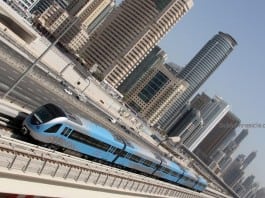
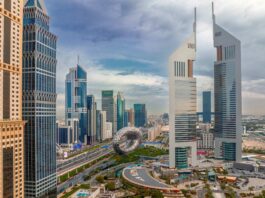
The First Al Khail Street Development shows this preparation clearly. A 15 kilometre elevated corridor running parallel to Sheikh Zayed Road, three lanes each direction, built to serve 2.6 million residents. It cuts peak hour travel time by 51 percent and adds close to 9,000 vehicles an hour in capacity, well before congestion arrives. Alongside it, the Council approved Dubai Population Now, a real time population clock powered by AI forecasting. Dubai’s population grew 7.5 percent in a single year, reaching 4.58 million by the close of 2025, and the system tracks growth as it happens, giving planners room to size housing, transport, and cooling capacity ahead of strain rather than after it.
Cooling capacity sits at the center of your reading here. The World Economic Forum’s Top 10 Emerging Technologies report, developed alongside Dubai Future Foundation, names passive radiative cooling materials among the technologies closest to real world deployment. These materials cool buildings and equipment without electricity, by reflecting sunlight and releasing heat into the atmosphere. In a city where cooling already drives a large share of electricity demand, this technology fits directly into what Dubai’s utilities build toward, and Dubai’s role in shaping the report shows how early the city positions itself around what comes next.
DEWA shows where this preparation stands today, not where it aims to stand. The authority runs a smart grid backed by AED7 billion in committed investment through 2035, processing over 15 million data points daily through its Distribution Network Smart Centre. Electricity line losses sit at 2 percent, against 6 to 7 percent across Europe and the US. Water network losses run at 4.6 percent, against roughly 15 percent in North America. DEWA prepares to launch what it describes as the world’s first AI powered virtual engineer, built to flag equipment failures before they happen across power generation, part of a stated goal to become the first AI native utility globally.
A regional survey backs this preparation with independent numbers. Siemens ran its Middle East Infrastructure Transition Monitor from Dubai, surveying 400 senior executives across the region. Seventy percent of Middle East organizations have set direct and indirect emissions targets, against 58 percent globally. Sixty two percent of executives expect AI to reshape infrastructure operations within three years. Sixty four percent name smart grids as central to the clean energy shift. Siemens builds and sells systems tied to this transition, so read these figures as stated executive priorities rather than an outside audit of delivery. The direction still lines up with what Dubai infrastructure has already built.
Set this against Western Europe, where a heatwave pushed temperatures past 40C across multiple countries this week, with France reporting close to 1,000 excess deaths in a single week, according to a statement from deVere Group’s chief executive. Only around one in five European households run air conditioning, against close to 90 percent in the United States. Grids sized for a cooler climate now carry summer peak demand they were never built for, and hospitals and rail networks absorb the strain in real time.
Line up Dubai’s latest approvals against this picture and the gap becomes clear. Dubai infrastructure moves on roads, population systems, cooling technology, and grid investment ahead of the demand it answers. Europe responds after the demand has already reached hospitals and rail networks. Watching where infrastructure risk sits over the next decade, preparation, not the size of any single announcement, tells you which cities stand ready for heat and which ones still catch up to it.