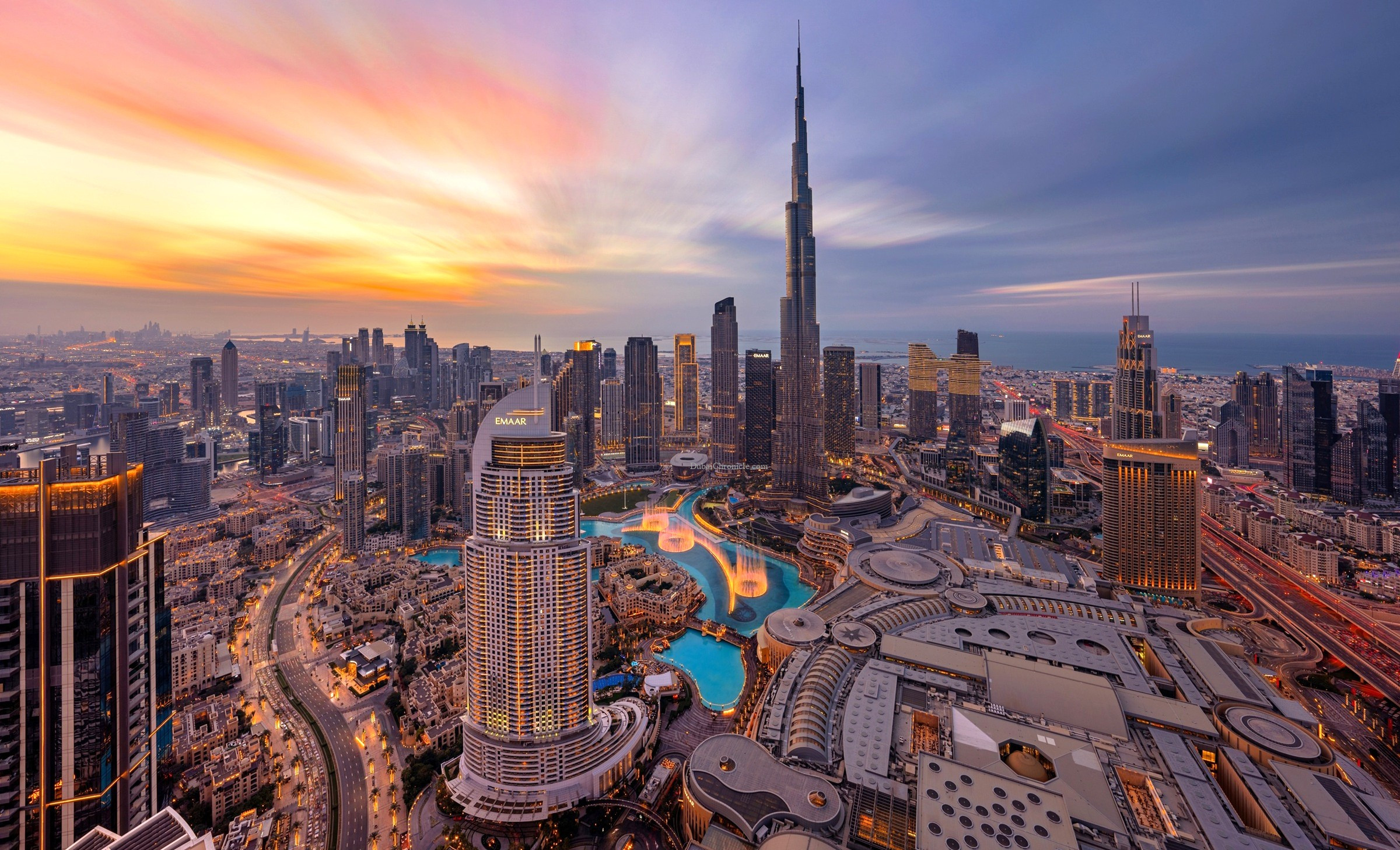
Emaar’s hotels are running at around 60 percent occupancy, founder Mohamed Alabbar told Reuters on September 21, and he expects a return to normal levels over the coming 12 months. Dubai’s tourism authority reports a citywide figure of 66 percent for August, on the back of 869,000 international visitors, the strongest monthly count the city has recorded since the regional conflict began earlier this year. Between one company’s number and the citywide figure, the picture holds together. Dubai’s hospitality sector is operating well inside recovery territory heading into its busiest season.
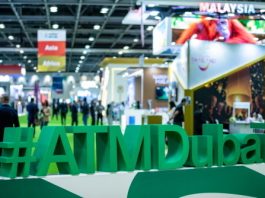
Cavendish Maxwell forecasts full-year occupancy between 60.4 and 66.2 percent, with average daily rates in the Dh600 to Dh675 range. Airline capacity is filling in behind that forecast. Emirates has restored close to 85 percent of its pre-conflict schedule and continues adding routes, supporting the premium segments that depend most on long-haul arrivals. The winter calendar adds its own pull, with Formula 1 in November and a full slate of exhibitions and conferences drawing corporate and leisure demand into the same window.
Dubai International Airport tells a parallel story. Nearly 50 international carriers now serve DXB, connecting the city to 217 destinations across 99 countries, and monthly passenger volumes built steadily through the second quarter, climbing from 3.5 million in April to 5 million in June. Dubai Airports expects roughly 70 million passengers for the full year, below last year’s record of 95.2 million but building month over month rather than holding flat. The airport is using the rebuild window to move ahead on infrastructure rather than wait for volumes to fully normalize, with consolidated remote departures, expanded self-service processing and continued biometric rollout underway. Investing in terminal capacity while traffic is still recovering signals an operator planning for growth on the other side of this cycle, not one bracing for a smaller city.
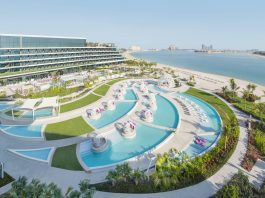
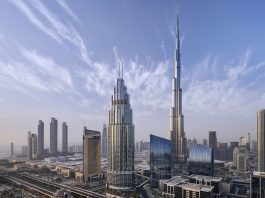
Performance already varies by location and segment in ways worth tracking directly. Upper Midscale hotels are currently the strongest citywide performer at 65.7 percent occupancy. Prime areas including Downtown Dubai, DIFC and Palm Jumeirah are reporting occupancy above 80 percent as the summer heat eases, ahead of the citywide average and closer to where the market stood before the disruption began.
Hospitality reports weekly, faster than almost any other indicator Dubai produces, which makes it a useful early read on broader business confidence. Dubai Land Department’s transaction data has moved in the same direction this month, with weekly sales value reaching AED10.67 billion for the week of September 7 to 11, up from the AED7 to 9 billion range that held through the summer. Branded and serviced residences tie the two markets more directly still, since their yield assumptions are priced against the same operator occupancy figures now climbing. Dubai South, sitting alongside Al Maktoum International’s ongoing expansion, is one of the clearer points where airport infrastructure and residential pipeline are developing on the same timeline rather than in parallel.
Population growth continues underneath all of this. Dubai added roughly 161,000 residents between January and July, taking the population to 4.74 million, a base of demand for housing, retail and services that holds independent of how the tourism season performs.
Heading into the fourth quarter, the readings worth watching are the ones building on this base. Hospitality, aviation and transaction data are now moving in the same direction in the same window, and a city recovering in hospitality ahead of its property data has, so far this year, been the more reliable early signal of where the following quarter’s activity lands.
Sterling Capital Real Estate tracks leasing and transaction activity across Dubai’s premium and branded residence segments, where demand tracks closely with the city’s hospitality and visitor cycle.