What Analysts Who Have Never Watched Dubai on a Friday Night Get Wrong About the City’s Hotels
The projections arrive from offices far from the Gulf. They are built on flight data, regional conflict risk models, and long-haul booking curves. They are not built on what you see when you walk through a Dubai mall on a Thursday evening, or stand outside a waterfront hotel on a Saturday morning watching families load into taxis with shopping bags.
Moody’s Analytics put a number on it this week: Dubai hotel occupancy collapsing to 10% in Q2 2026, down from 80% in February. The firm called it an effective shutdown of large parts of the hospitality sector and warned that a return to pre-conflict conditions is unlikely before early next year.
That is not what is happening on the ground.
The boutiques are open. The coffee shops are full. People are paying 30 dirhams and more for a specialty coffee without pausing to think about it. Families are sitting down for restaurant dinners mid-week, not just on weekends. The appetite for small, repeatable luxury stays intact because the people making those purchases have disposable income and they are spending it locally. When you cannot fly somewhere, you eat somewhere good instead.
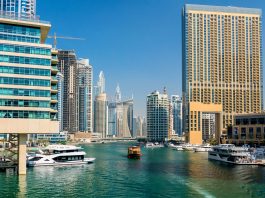
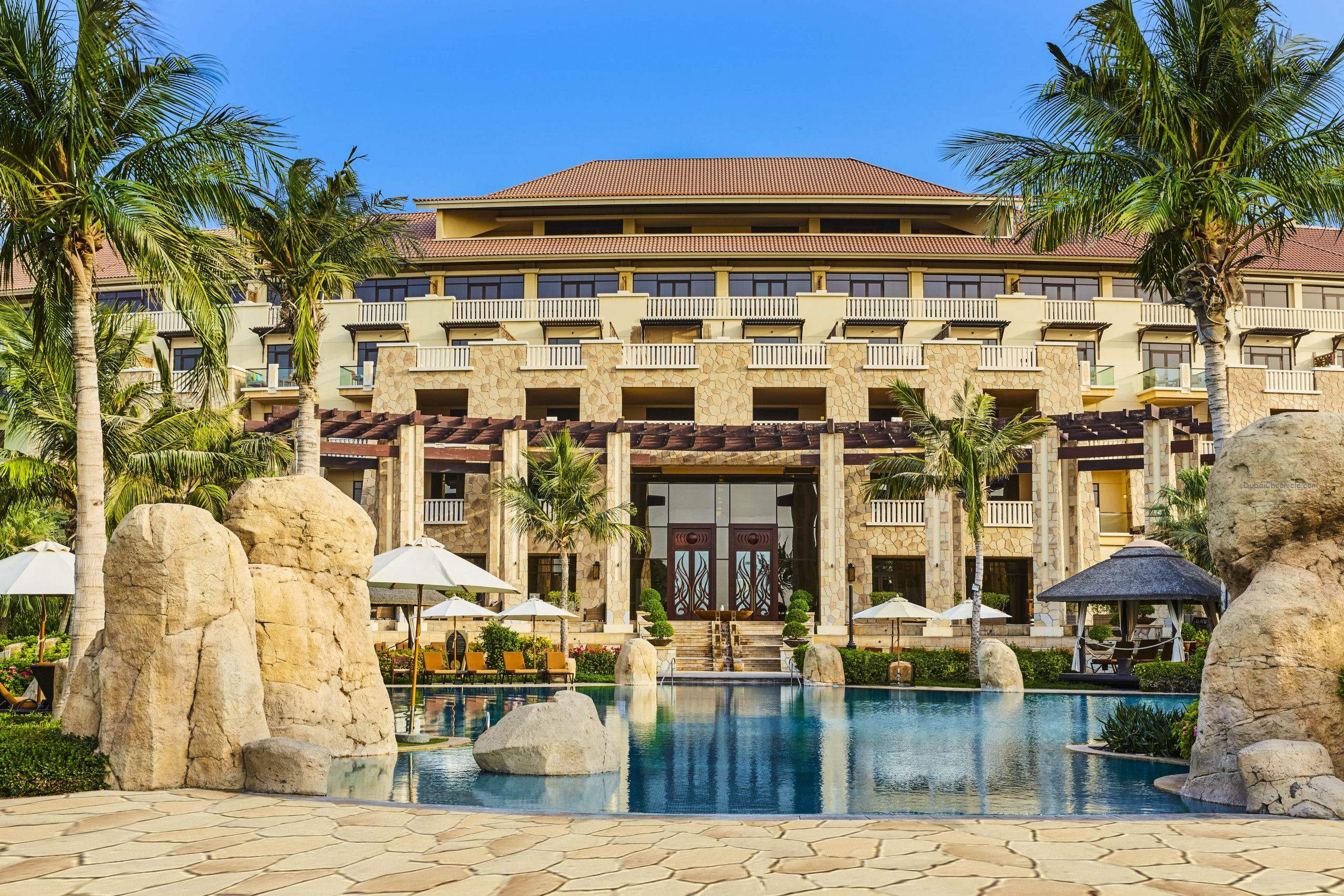
At Sofitel Dubai The Palm and Sofitel Dubai Jumeirah Beach Resort on the JBR, weekend occupancy is running between 50% and 80% in recent weeks. These are not numbers that describe a sector in freefall. They describe a sector that found a different customer faster than the forecasting models expected.
That customer is regional, and closer than most occupancy reports acknowledge. Families from Abu Dhabi, Sharjah, and Ras Al Khaimah drive into Dubai for long weekends. Dubai residents do the same in reverse. This cross-emirate movement accelerated when long-haul flights thinned out and it is now sustaining leisure and waterfront properties that would otherwise sit quiet.
The road traffic tells the same story. Visitors from Saudi Arabia make the drive north. Jordanians, for whom Dubai has long been a familiar destination, are coming by road as well, crossing into the UAE for long weekends and school holiday breaks the way Europeans drive to neighboring countries without thinking twice about it. The Sheikh Zayed Road and the border crossings are not quiet. They reflect a region that moves by land when the air becomes complicated, and Dubai sits at the center of that movement. Analysts who model Dubai hotel occupancy against international flight arrivals alone miss this entirely, because road-based regional mobility does not show up cleanly in the data sets they draw from.
The second pattern is the return of frequent annual visitors from specific markets. Travelers from India who come to Dubai year after year are back and staying longer than before. Eastern Europeans, who became a significant visitor bloc over the past three years, are also returning in stronger numbers. They arrive for longer stays. They arrive for the shopping. And they arrive with a specific calculation in mind: Dubai luxury in 2026 costs less in real terms than it did two years ago.
That calculation is worth understanding. The dirham’s peg holds, but currencies in several source markets have strengthened relative to where they sat at the peak of Dubai’s post-pandemic pricing. A visitor converting rupees or zloty today finds that the gap between a four-star and a five-star experience has narrowed sharply. This produces a smarter traveler, one who books a better room, stays an extra night, and spends more freely at Dubai Mall or Mall of the Emirates because the math works in their favor. Dubai’s luxury was always real. Now it is also rational. Smart shoppers are the ones benefiting most.
None of this cancels the pressure on segments that remote analysis correctly identifies as weak. Business travel is soft. Conference and exhibition bookings have not recovered. Midweek occupancy at business-facing properties in DIFC and Downtown tells a different story from the JBR waterfront on a Saturday. Long-haul first-time visitors from Western Europe and East Asia are not arriving in the volumes Dubai recorded through 2024 and into early 2025.
But a sector does not collapse when local spending stays strong, when families keep choosing a hotel staycation two emirates over, when Saudi and Jordanian visitors fill the car parks on a Thursday night, and when repeat visitors from committed source markets show up with longer itineraries and fuller wallets. What Dubai hospitality is experiencing in 2026 is a rotation, not a retreat. Fewer first-timers from far away, more people who already know the city, trust it, and return when the price is right and the drive is manageable.
The floor is holding. You can see it in the coffee shop queues. You can see it in the hotel lobbies on a Friday afternoon. You can see it in the boutique browsers who have no particular urgency but all the intention to buy. What you cannot see any of it in is a model built by someone who has never spent a weekend here.