


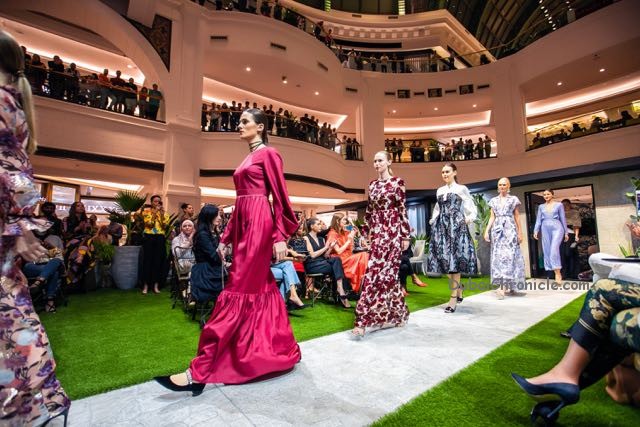
A 40 dirham dress from Shein or Temu arrives at your door two days after you click buy. No one greets you. No one lets you feel the fabric before you pay. No one remembers your size or asks how the last order fit. These platforms move fast, and speed is the only advantage they offer. Fast fashion online sells you convenience and takes something larger in return, the destination, the person, the afternoon that gives you something back. Shopping is not only a transaction. Fast fashion should not be allowed to take that away from the retail industry, or from the places built around it.
The case against fast fashion online goes beyond taste. A screen cannot fit you. It cannot tell you how a fabric moves on your body, or whether a color suits you the way it suited the model in the photo. Returns pile up, half of them driven by sizing guesses that a fitting room would have solved in one try. The environmental cost sits behind every low price. One cotton t-shirt draws around 2,700 liters of water to produce, and Europeans alone generate 12 kilograms of textile waste per person each year, less than 1 percent of it returned to new garments. None of this shows up at checkout. It shows up later, in a landfill, in a factory, in a mall left half empty because a shopper decided a screen was good enough.
France gave this argument legal weight on June 29, 2026, when its Parliament approved a law naming Shein and Temu directly. The penalty runs to about AED 80 per item by 2030, capped at half the price before tax, and takes effect July 1, 2026. Shein already paid a fine of around AED 159 million in France in 2025 for product non compliance, followed by a further penalty of more than AED 84 million from French competition authorities. Italy has added an AED 8 charge on small parcels arriving from outside the EU, projected to raise close to AED 975 million a year by 2027. The numbers matter less than what they protect, a retail floor where a person, not a warehouse robot, helps you decides what to take home.
Dubai already lives the answer, and it lives it as a set of destinations, each one worth the trip on its own. Start at the Gold Souk, where you walk between different stores under the covered arcades, compare weight and craftsmanship across dozens of jewelers, and negotiate a price face to face. Bargaining here passes between generations of traders, and it turns a purchase into an exchange between two people who both know the value of what they are discussing. No fast fashion app replicates that skill, because no app has a stake in the conversation.
Move to Dubai Outlet Mall, where bargain hunters spend an afternoon discovering a deal they did not expect. You hold the garment in your hands, check the stitching, try the fit, and walk out knowing exactly what you paid for and why. A fast fashion online order gives you a tracking number. An outlet trip gives you a story about the find.
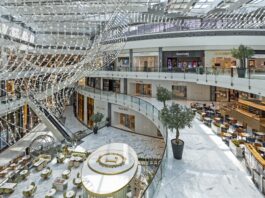
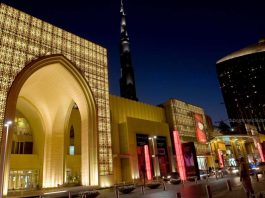
Continue to Fashion Avenue at Dubai Mall, where a shopper is treated as a guest rather than a data point, walking past the Van Cleef and Arpels maison in the Opera District or the Dior collaboration with Nammos in Jumeirah, guided by staff who know the collection by name and remember what you bought last time you visited. Fashion Avenue now ranks 11th globally for retail rents, up 9 percent year on year, placing it among the fastest growing prime retail streets anywhere. Occupancy across Dubai’s super regional malls sits between 95 and 99 percent, and Dubai Mall drew more than 111 million visitors in 2024, on track to pass that number again this year. People keep choosing to leave the house, because a destination gives them what fast fashion online cannot.
Then head to JBR. Inside Sofitel Dubai Jumeirah Beach sits Rue Royale, a boutique that treats a visit as an occasion rather than an errand. Walk in and the staff already know your size and what you reached for last season. New resort wear arrives every week, styled and ready before you ask, with the beach steps away once you are done. This is a destination in its own right, built around a relationship a platform cannot offer, since no algorithm remembers your preferences the way a person who greets you by name does.
Retail contributes 25.3 percent of Dubai’s GDP, the largest share of any sector in the city, and behind that figure stand jewelers at the Gold Souk, stylists at Rue Royale, and staff at every outlet counter who make a living from a shopper walking through the door. Every dirham spent at a destination instead of a platform keeps that ecosystem intact, the tailors, the jewelers, the stylists, the mall staff who built careers on knowing their customers by name.
If you visit Dubai this year, treat shopping as an itinerary rather than an errand. Spend a morning bargaining at the Gold Souk, an afternoon hunting deals at the outlet mall, an evening on Fashion Avenue, and a stop at Rue Royale in JBR before you catch the sunset over the beach. Each destination gives you something fast fashion online was never built to offer, a person who remembers you, and a place worth returning to.








Do you think the convenience of fast fashion is worth the environmental cost?