- Researchers find that the top-ranked cities on structural urban performance indicators
such as healthcare infrastructure are frequently more difficult to settle into socially - Lisbon and Barcelona emerge as rare cross-profile destinations suited to families, retirees
and digital nomads alike - Latin America leads on social integration
- Southeast Asia and the Caucasus lead in the affordability tier
- More than 300 million people now live outside of their country of birth
- Beyond the cost of living: GCS’s new index incorporates passport mobility rights and
social integration to rank the world’s best cities for international relocators
Global Citizen Solutions (“GCS”), a leading residency and citizenship planning advisory firm, today published its inaugural World’s Most Livable Cities for Expats, ranking 35 cities across six continents as destinations for the world’s growing population of internationally mobile residents. The briefing, researched by the firm’s Global Intelligence Unit (GIU), goes beyond traditional urban performance metrics to assess cities through the specific lens of relocation, incorporating passport mobility rights as a core livability dimension.
More than 300 million people now live outside their country of birth — nearly double the figure recorded in 1990 (UN DESA, 2025) — and the post-pandemic decade has produced a more diverse group of internationally mobile individuals. Remote workers, retirees, digital entrepreneurs, and location-independent families each bring distinct priorities to relocation decisions, yet existing indices have largely been built around corporate mobility rather than voluntary relocation. The GIU report addresses that gap directly.
Cities are assessed across seven indicators — cost of living, safety, air quality, healthcare, ease of settling in, English proficiency, and enhanced mobility — drawn from publicly available datasets and normalised on a 0–100 scale, where higher values always indicate better outcomes. Safety and healthcare carry the highest combined weighting, reflecting their relative importance to long-term relocation decisions.
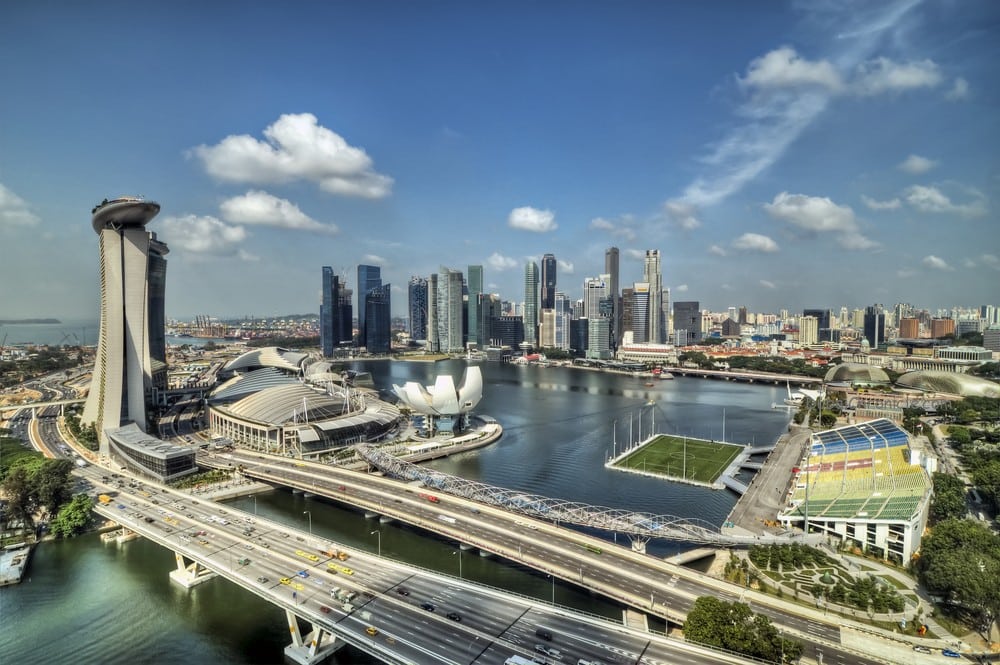
Singapore records the highest mobility score in the index; Copenhagen and several other European cities follow closely. Southeast Asia and the Caucasus dominate the affordability tier. Ho Chi Minh City (Vietnam), Bali (Indonesia), Bangkok (Thailand), and Tbilisi (Georgia) lead the index on cost of living, pairing low operating costs with established expat communities and conditions well suited to location-independent work. For digital nomads, retirees, and entrepreneurs for whom financial flexibility is central, these cities remain strong relocation candidates regardless of composite position.
Lisbon and Barcelona offer rare cross-profile versatility. Both cities combine moderate costs with strong healthcare, high social accessibility. The GIU identifies them as rare cases where retirees, families, and location-independent professionals all find a viable fit within the same destination — helping explain their sustained prominence in voluntary relocation flows from both the UK and the United States.
Latin America leads on social integration with San José (Costa Rica) recording the highest social integration score in the entire sample, with Mexico City (Mexico), Rio de Janeiro (Brazil), and Panama City (Panama) reinforcing the regional pattern. Latin American cities consistently combine low operating costs with strong social accessibility — a profile well suited to relocators who prioritize community and ease of integration.

One of the GIU’s most significant findings is that the top-ranked cities on structural indicators are often the hardest to settle into socially. Vienna (4th overall) and Copenhagen (9th) record the lowest social integration scores in the entire 35-city sample. Cities offering the strongest healthcare, safety, and institutional infrastructure are frequently the most demanding to break into socially — a finding with significant practical implications for relocators.
“Affordability, social integration, and structural quality rarely co-occur within the same city,” added Liana Simonyan, researcher for Global Citizen Solutions’ GIU. The index renders these competing priorities explicit and measurable — which is precisely what advisors and individuals need when making high-stakes relocation decisions.”