













Dubai property prices entered a stress test on March 1, 2026, as regional geopolitical tensions disrupted buyer behaviour across the city. From that date through mid-May, Sterling Capital tracked transactions, listings, and viewing activity in the prime segment. The pattern reads consistently: viewing volumes, second-visit conversions, and offer activity fell sharply, yet asking prices in prime communities held. Only a small number of secondary market sales transacted through the Dubai Land Department in the prime segment since March 1, and most of those closed near asking price. The Dubai property prices story for this window is not a price reset. It is slower decision-making at every step of the sales cycle.
Geopolitical Pressure and Buyer Behaviour
The decline in transactional activity tracks the timeline of regional tension. The Savills Middle East investor sentiment survey marked a change of pace in the immediate aftermath of geopolitical events. Buyers who had committed before late February completed. Buyers in the discovery phase paused. Sterling Capital’s site visits and broker conversations through Q2 confirm the pattern across waterfront and ultra-prime locations.
Dubai Property Prices by Prime Community
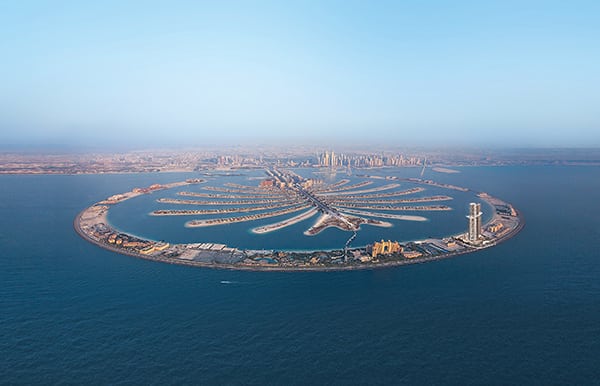
Palm Jumeirah: Owners show little appetite for discounts. Dubai villa prices on the island have mostly held their 2025 reference points. Branded residence units typically transact faster than standalone villas, though several listings recorded multiple agent rotations before going under contract. A few notable sales of ultra-premium apartments since mid-April saw owners achieve attractive premiums.
Dubai Hills Estate: End-user demand anchors the area. Prices hold steady, and transactions continue regularly for apartments and villas. Second-viewing-to-offer conversion has slowed, but the pipeline still closes. Sellers of five and six-bedroom villas hold longer than owners of standard four-bedroom layouts. Apartments transact at volumes consistent with the pre-crisis period.
Downtown Dubai: Burj Khalifa-view apartments and premium tower units remain on the market longer than in 2025. Repeat listings have grown for two and three-bedroom apartments where supply expanded. Lower-tier inventory softened slightly, while higher-floor stock held its ask. Select premium projects saw closing prices inch upwards, producing a two-tier dynamic within one district.
Bluewaters: The compact island and limited resale stock keep marketing periods relatively short. Transactions continue at a slower pace, with price cuts on weaker units. Best-in-class apartments held their reference levels.
Dubai Marina: Marina-view and high-floor stock clears when sellers price sharply. Motivated sellers appeared in secondary stock, looking to close for liquidity. Older towers and inland-view apartments see longer marketing periods, with several owners cycling through agents.
Why Dubai Property Prices Did Not Fall
Three structural factors explain the price floor. First, ownership in prime Dubai sits largely in cash. High net worth individuals, overseas investors, and regional buyers dominate the prime and super-prime segments, where all-cash purchases are common. No mortgage obligation forces a sale during a sentiment shock.
Second, rental yields remain healthy. Gross apartment yields reached 7.10% in March. Even with summer expat departures and new inventory entering, rental declines in established areas like Dubai Hills stopped at around 5.5%, giving owners income while they wait.
Third, owners anchor to 2025 reference prices. Dubai recorded more than 270,000 deals worth AED 917 billion in 2025, with the high-end segment posting roughly 33% price growth. Selling below those benchmarks against a temporary shock feels, to most owners, like crystallising a loss they do not need to take.
Cash Buyer Dominance in Q2 2026
Mortgage activity slowed against tighter underwriting. In Q2 2026, bank valuations tightened. When banks valued below the agreed price, buyers covered the shortfall in cash or walked. Cash transactions close in five to ten business days, against several weeks for financed deals. Data shows the small pool of completed prime transactions since March 1 skewed heavily toward cash buyers.
Mid-Market Versus Prime
If you are buying in the AED 1.5 to 4 million band, you carry more leverage than buyers held a year ago. Off-plan handovers in JVC, Business Bay, and Dubai South added inventory, and apartment prices in these districts show wider negotiation room. One platform counted more than 500 price drops in a single week, with emerging neighbourhoods showing the deepest stress in off-plan resale. Ultra-prime owners do not move on price.
Outlook
The March through mid-May window reads as evidence of structural resilience rather than a delayed correction. Transaction speed shifted. Ownership profile did not. If regional conditions stabilise through Q3, prime Dubai property prices should resume their 2025 trajectory. If external pressures persist, expect longer marketing periods and selective cuts in secondary stock, not a broad reset in prime.