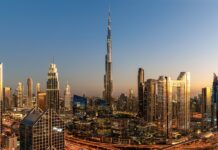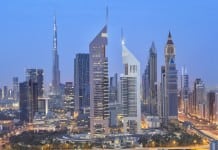






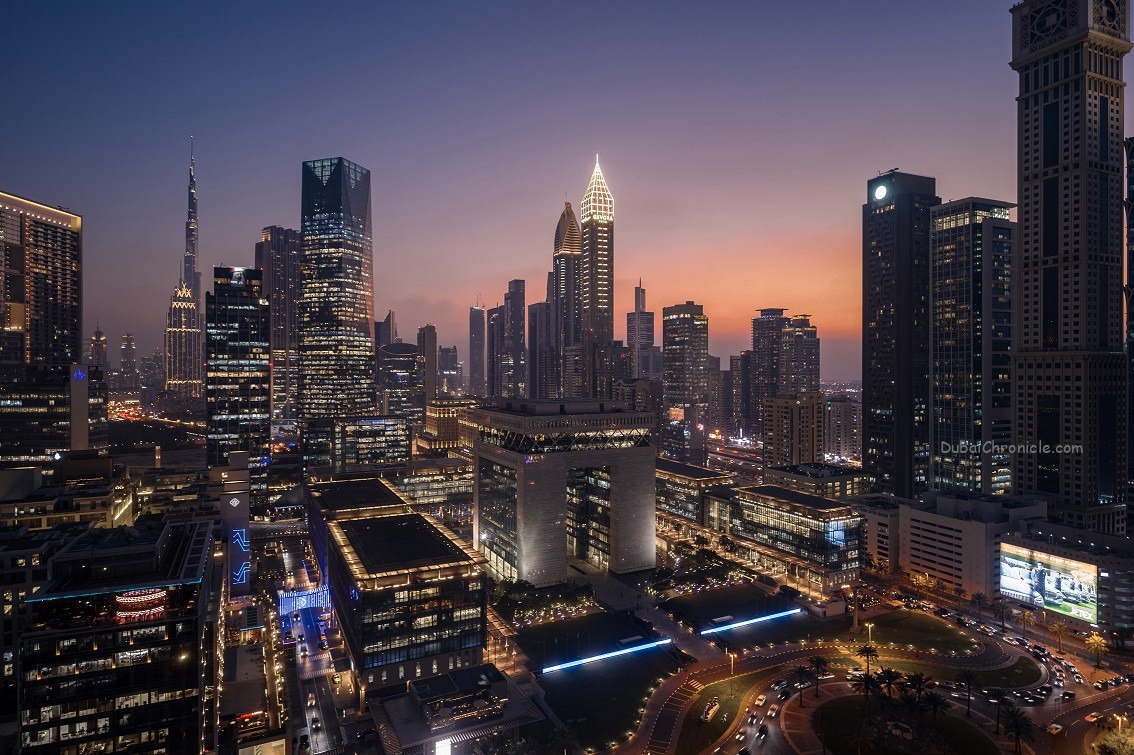
Dubai is not just a symbol of rapid growth and striking architecture. It is a carefully constructed financial model, built through a combination of regional leadership, Western legal and financial expertise, and global capital mobility.
This system transformed the city into a strategic platform for global capital. Assets are managed here. Investment funds are structured here. Cross-border transactions flow through its institutions. The broader UAE financial system reinforces this position through tax efficiency, regulatory modernization, and long-term residency incentives such as the Golden Visa.
But a model like this functions best in an environment of stability.
Prolonged geopolitical conflict places that stability under pressure.
Global Capital and Mutual Dependence
A central pillar of Dubai’s financial architecture is the Dubai International Financial Centre, which operates under a legal framework familiar to international investors. This reduces uncertainty and makes the city attractive to major institutional and private capital.
Dubai has positioned itself as:
- A center for asset management
- A hub for international investment structures
- A global real estate marketplace
- A logistical and financial bridge between regions
Tax efficiency in the UAE, including zero personal income tax and competitive corporate structures, further strengthens its appeal. The Golden Visa program adds long-term residency security, giving investors and entrepreneurs confidence to anchor capital in the country.
This level of integration means the capital in Dubai is not local. It is deeply embedded in the global financial system.
The Role of Regional Trade
The UAE’s financial infrastructure plays a critical role for several regional economies. Iranian trade through UAE channels, for example, benefits significantly from the country’s banking access, logistics capacity, and re-export networks to reach international markets.
This interdependence creates a complex network of shared interests. As geopolitical conflict intensifies, regulatory scrutiny and sanctions risk tend to increase, potentially constraining these channels and affecting participants across borders.
In such an environment, any transactions may face delays, higher costs, or additional oversight. Friction rises, and with it, financial exposure.
Who Carries the Greatest Exposure
The actors most deeply integrated into this ecosystem include:
- International investors with significant regional portfolios
- International family offices and sovereign wealth funds
- Western financial institutions
- Regional trading and investment groups
- Cross-border commercial networks, including Iranian traders
These groups rely on predictability, free capital movement, tax efficiency, and continued access to the global banking system.
When instability rises, mobile capital adjusts first. Portfolios are restructured. Investment decisions are delayed. Financing costs increase. Asset valuations come under pressure. Middle East investment risk is quickly reflected in pricing models and allocation strategies.
The Strategic Interest of Capital
Financial centers are difficult to build and even harder to sustain. They depend on trust. Once shaken, trust is slow to rebuild.
For all major stakeholders with long-term interests in Dubai and the wider UAE financial system, stability is not an abstract concept. It is an economic necessity.
Large pools of capital, whether originating in the West, the Gulf, or moving through regional trade networks, share a dependence on a predictable and functioning financial environment.
Prolonged geopolitical conflict increases uncertainty and raises the cost of risk for all parties heavily invested in this ecosystem.
The Rational Conclusion
In highly integrated systems, losses rarely remain isolated. They spread across investors, institutions, and trade networks.
When substantial value is concentrated in one financial hub, economic logic favors preserving its stability. The benefits that attracted capital in the first place—tax efficiency, residency security through the Golden Visa, legal clarity, and open capital flows—retain their strength only if confidence remains intact.
In this context, the long-term interests of wealthy and strategically invested parties naturally align around reducing escalation and restoring predictability.
For global capital, stability is not ideological. It is about long-term returns and asset protection.
And the deeper the exposure to Dubai’s financial ecosystem and the UAE financial system as a whole, the stronger the incentive to safeguard the stability on which it depends.