Paris once again claims the top spot in Euromonitor International’s Top 100 City Destinations 2025, securing its fifth consecutive year as the world’s leading tourism hub.
Welcoming over 18 million international visitors in 2025, the French capital maintains its global influence through exceptional infrastructure, cultural vibrancy and sustainability-led strategies.
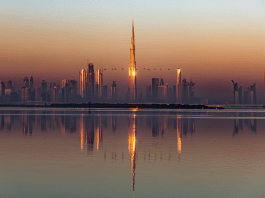
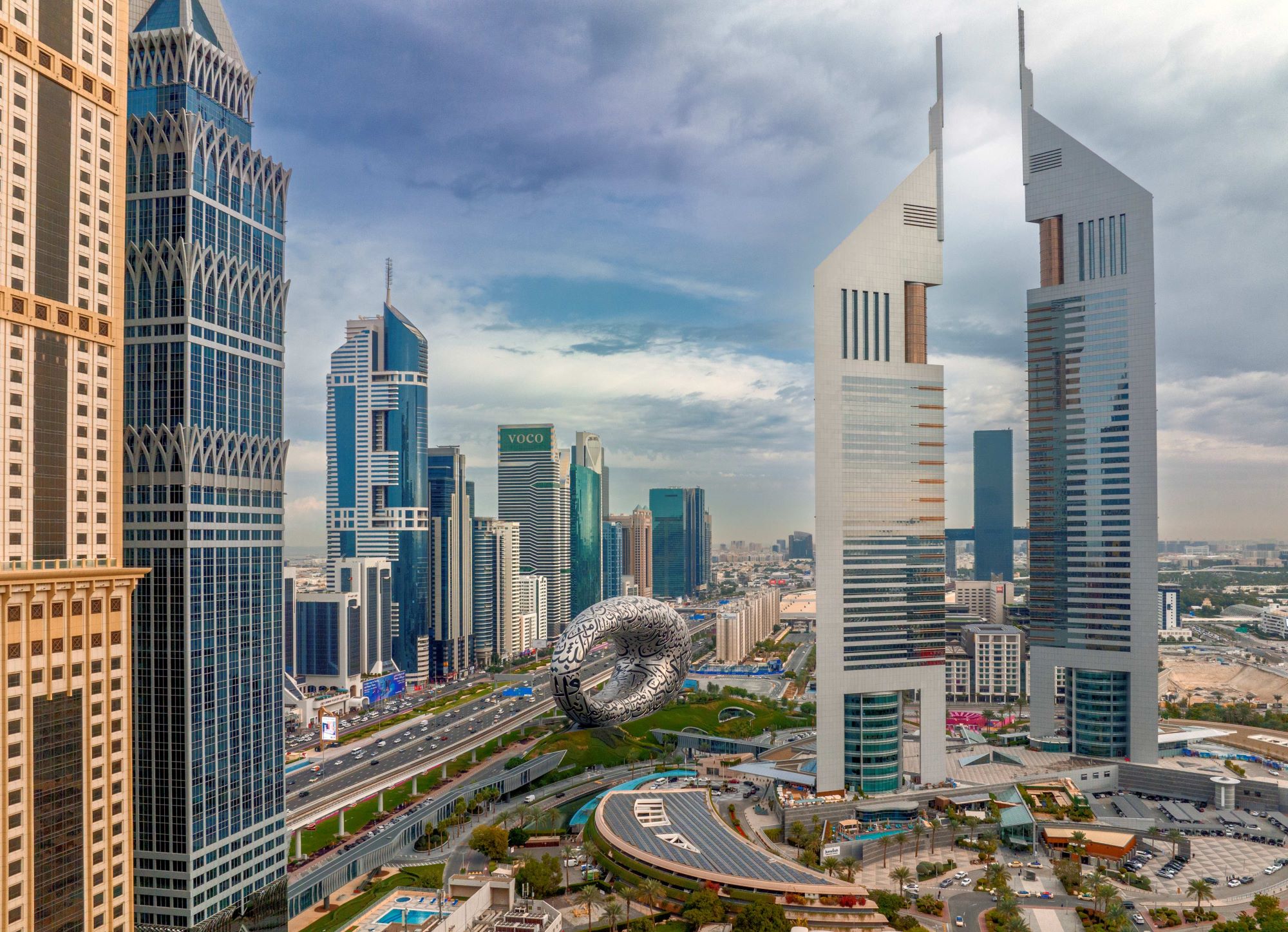
But while European icons dominate the top five, Dubai continues to shine as the Middle East’s leading destination, ranking 12th globally and reinforcing its reputation for world-class tourism, innovation and cultural resonance. The emirate remains the top city destination in the region, attracting large visitor flows from India, the UK, Saudi Arabia and Russia — and setting a benchmark for urban hospitality, connectivity and lifestyle offerings.
Dubai Leads Regional Tourism in the Top 100 City Destinations
Eight cities across five Middle Eastern and African nations made the Top 100 City Destinations list, highlighting the region’s increasing competitiveness. Dubai’s rise reflects its strong visitor numbers, international business events, high hotel occupancy and expanding “affordable luxury” segment.
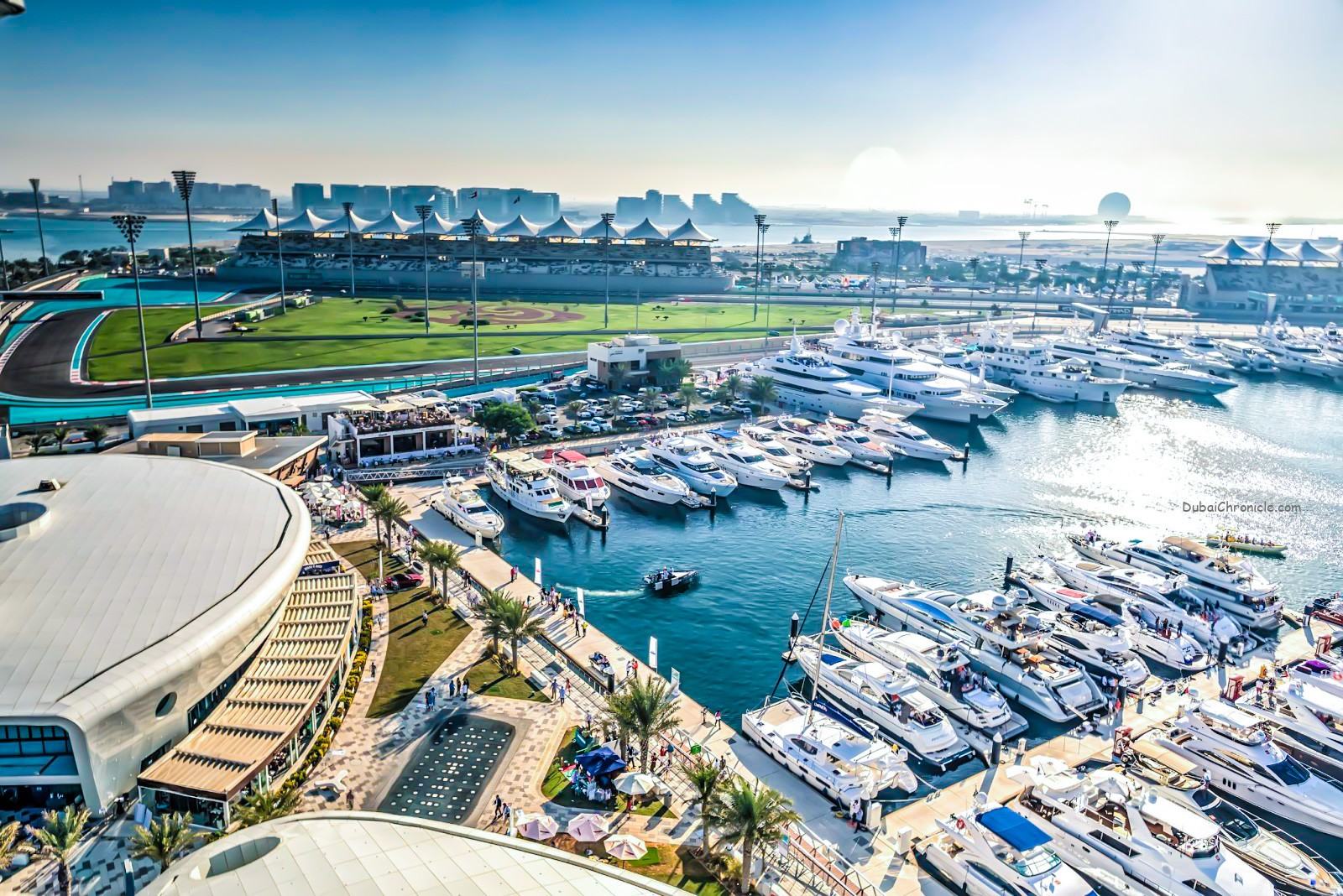
Neighbouring cities such as Abu Dhabi and Doha are also accelerating infrastructural and tourism investment, supported by initiatives like the upcoming unified GCC tourist visa, which is expected to boost cross-border tourism further.
Euromonitor International notes the resilience of global travel, with Nadejda Popova, Global Head of Loyalty, stating:“Even amid economic headwinds and geopolitical uncertainty, global travel proved exceptionally resilient in 2025. International arrivals to the top 100 cities climbed 8% to 702 million.”
This resilience is echoed across the wider Middle East and Africa, especially within key consumer industries — most notably beauty and personal care.
A-Beauty Emerges as a Cultural Powerhouse Across the Middle East and Africa
Parallel to tourism growth, another powerful movement is shaping consumer behaviour across the region: A-Beauty (Arab and African Beauty).
According to Euromonitor International, the A-Beauty trend is driving the beauty and personal care market in the Middle East and Africa to USD 44 billion in 2025, fuelled by cultural identity, youth influence and demand for products tailored to local skin tones, hair textures and heritage.
Amna Abbas, Senior Research Consultant, explains: “Young people in the region play a significant role in shaping authentic beauty trends. Arab and African beauty enthusiasts are keen to highlight their unique cultures.”
With 48% of the region’s population under 20, this shift has significant economic impact.
Hair Care and Local Ingredients Drive A-Beauty Growth
Hair care — one of the most culturally expressive beauty segments — led the market with 17% growth between 2024 and 2025, and is projected to reach USD 17 billion by 2029.
The rising influence of A-Beauty is driven by four key categories:
- Hair care
- Skin care
- Colour cosmetics
- Fragrances
This growth aligns with the broader socio-economic environment: economic diversification, a rapidly expanding female workforce and rising disposable incomes continue to elevate spending on personal care.
In the Middle East, beauty traditions rooted in natural, halal and hydrating formulas remain dominant. Fragrance culture thrives through iconic regional scents such as oud, frankincense and rose — now increasingly fused with modern formulations.
Africa’s beauty landscape is energized by local ingredients with strong cultural heritage such as shea butter, baobab oil and marula oil. Brands leveraging indigenous resources and authentic storytelling are gaining traction, addressing needs like hyperpigmentation and textured hair care.
Rubab Abdoolla, Senior Consultant at Euromonitor International, emphasises: “A-Beauty highlights indigenous ingredients with cultural significance. Brands leveraging the region’s biodiversity and traditional knowledge can offer unique products that appeal to consumers.”
Consumer satisfaction is strong, with 79% of UAE and South African consumers reporting they are satisfied with market offerings.
Sustainability and AI Shape the Future of City and Consumer Markets
Just as sustainability and innovation are elevating the Top 100 City Destinations, they are also redefining the beauty landscape.
Cities like Madrid, Palma de Mallorca, Helsinki and Oslo are leading eco-tourism strategies, while destinations such as New York, Abu Dhabi and Bangkok are integrating AI across visitor services — from smart city platforms to digital arrival cards.
This blend of technology, identity and innovation mirrors trends in A-Beauty, where consumers increasingly value authenticity, efficacy, sustainability and cultural relevance.
The Outlook: Dubai and the Region Are Entering a New Phase of Global Influence
From tourism to beauty, the Middle East and Africa are entering a defining moment.
Dubai continues to strengthen its position among the world’s Top 100 City Destinations, while A-Beauty solidifies the region as a rising global force in beauty, culture and identity-driven consumer trends.
Together, these shifts reflect a region that is younger, more dynamic, more diverse and more confident — and one that is reshaping the global narrative of travel, beauty and innovation.